
EASA Mountain HEMS Update

The European Union Aviation Safety Agency (EASA) share with AirMed&Rescue an update on the status of the proposed amendment to the HEMS regulations
The amendment to the HEMS regulations proposed by Notice of Proposed Amendment (NPA) 2018-04 has been delayed following a request from stakeholders (both authorities and operators) to slow down rulemaking activities. They are not yet applicable. The next step is the publication of the Opinion, followed by a discussion and vote at EU commission level. Only then will the amended rules be published and become applicable.
Comments received / Feedback from industry on any misunderstanding or misinterpretation; changes made to NP2018-04
EASA received 512 comments to NPA 2018-04. The comments received to the NPA were processed with the help of a group of experts from operators, national authorities, manufacturers, and a pilot association. This process led to a number of updates, fine tunings, and minor changes in the proposal, as well as important changes regarding the following topics:
- Performance at high altitudes
- Auto-pilots
- The exemption for flying at high altitudes without oxygen was restricted in scope and backed with the available scientific evidence.
Have the changes been accepted overall?
EASA presented the upcoming Opinion during a webinar on 30 March. It was widely accepted by all stakeholders. Only the following topics remain controversial:
- Helicopter performance at high altitudes, and more specifically the newly proposed opening towards HEMS operations with single-engine helicopters in high-altitude mountains. This is the one topic where harmonization at European level is not deemed possible. National aviation authorities will have the power to allow or reject this possibility on their territory.
- The crewing of HEMS operations involving hoisting at night.
Harmonization and ICAO
The upcoming Opinion will pave the way to harmonized rules and practices for HEMS operations within Europe, except with regards to the use of single engine helicopters at high altitudes.
The International Civil Aviation Organization (ICAO) doesn’t regulate HEMS specifically. However, ICAO harmonization will be achieved for the minor non-HEMS related elements that are also part of the Opinion.
Safety improvements and economic costs:
- The HEMS Opinion introduces the following major safety improvements for HEMS:
- Night vision imaging systems (NVIS) will be required at night
- Improved pilot training will be required, together with increased night experience for newly recruited HEMS pilots
- Improved technical crew member training and better crew coordination will be required
- Autopilot or Stability augmentation systems will be required for single-pilot operations at night
- Moving maps will be required on board
- Aircraft tracking will be required
- Adequate weather at the HEMS operating base will have to be available for night HEMS
- Hospital sites: no new derogations to helicopter performance and no excessive worsening of the obstacle environment will be possible
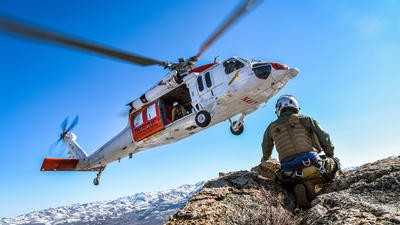
- Extended scope of HEMS: HEMS rules and safety mitigations will be extended to all emergency flights, including mountain rescue and non-medical emergency flights.
The new safety measures will come with costs for operators who currently operate HEMS at night without NVIS, and for those that will need to strengthen the training of their technical crew members.
For the other safety measures, low-cost options will be available:
- A full autopilot will only be required for newly built helicopters. Stability augmentation systems will be acceptable for the current fleet. By the time the requirements become applicable, the vast majority of helicopters that are not already equipped will have been retired
- A type 2 electronic flight bag (EFB) application on a tablet computer will be an acceptable means to provide a moving map
- Operator-controlled weather stations, or airport weather if relevant, will be acceptable for the night HEMS operating base.
Transition periods will enable the smooth implementation of changes and avoid unnecessary costs.

October 2022
Issue
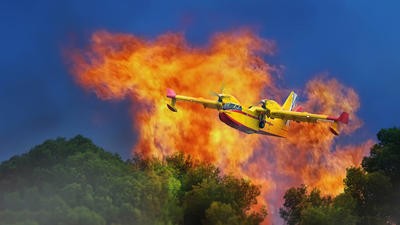
Aerial firefighting and SAR after 9/11; innovative use of stroke scanners by the RFDS; European nations’ response to this summer’s intense wildfire season; and the ongoing evolution of night vision systems, all in the latest issue. Plus, the USHST and EASA share regulatory updates on safety measures for operators, and the European Rescue Swimmers’ Association tells us what’s coming up at their next event
Editorial Team
The AirMed&Rescue Editorial Team works on the website to ensure timely and relevant news is online every day. With extensive experience and in-depth knowledge of the air medical and air rescue industries, the team is ready to respond to breaking industry news and investigate topics of interest to our readers.
Keep on reading
Illuminating insights on NVIS
Black Summer - European Wildfires