
Gallery: Air medical transfers in Washington, DC

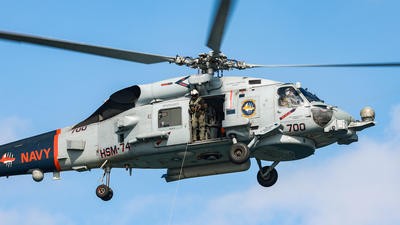
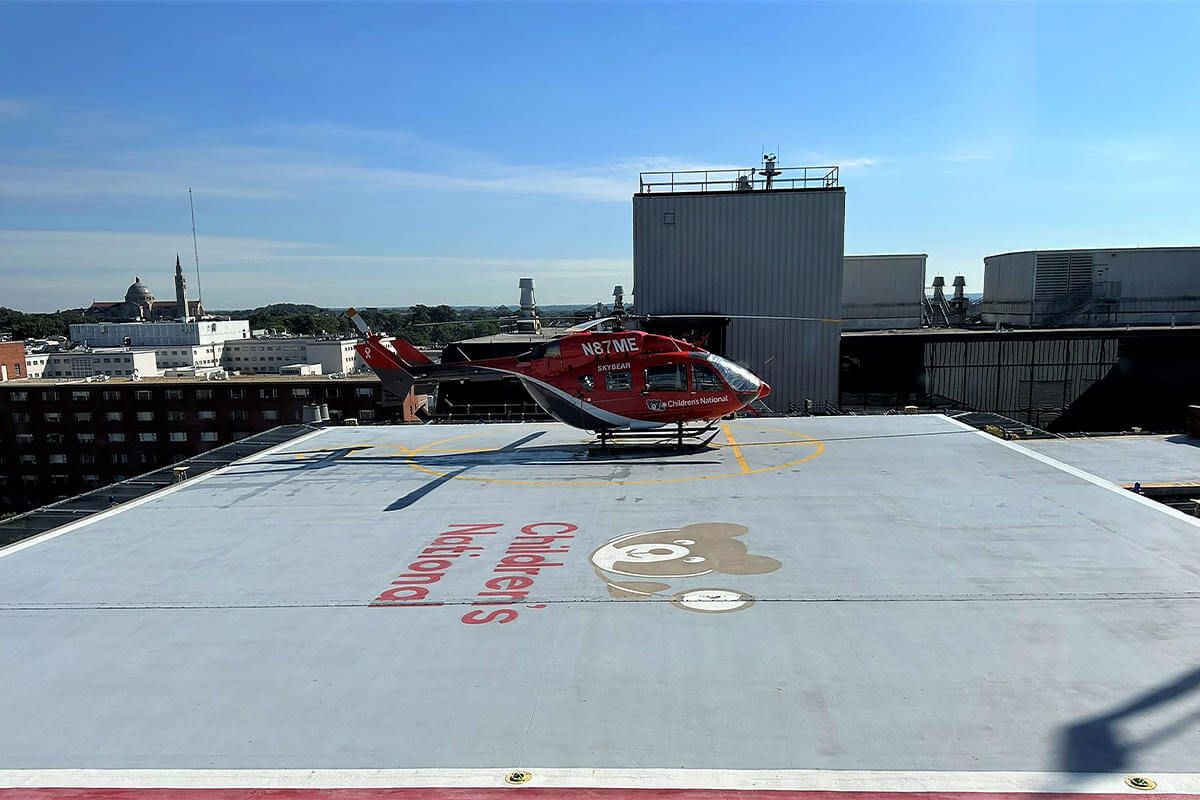
The DC National Guard conducted an assessment of medical transfers in the US capital, from a Naval Air Station to a children’s hospital. The images of the simulated patient transfer were captured by Captain Robert M Schapiro
The DC National Guard’s 1-224th Aviation Regiment ‘Capital MEDEVAC’, D Company (Air Ambulance) conducted an assessment of the emergency medical transport of a simulated patient from Patuxent River Naval Air Station in St Mary’s County, Maryland, to Children’s National Hospital in Washington, DC. Also taking part and assisting in the transfer were several agencies from across the spectrum of emergency medical care, including Patuxent River Naval Air Station police, Solomons Volunteer Rescue Squad and Fire Department, and Calvert Advanced Life Support. Participation took the form of helping with the 9-line request (a military medevac request form comprising nine pieces of information), staging, and actual patient transfer.
The DC National Guard is made up of more than 2,700 soldiers and airmen and -women, based within the District of Columbia, Maryland and Virginia. D Company is situated in Davison Army Airfield, 15 miles southwest of Washington, DC.
The DC National Guard was formed in 1802 by President Thomas Jefferson to defend the newly created District of Columbia. The Commanding General of the DC National Guard is subordinate solely to the President of the United States, and the authority to activate the DC National Guard has been delegated to the Secretary of Defense and further delegated to the Secretary of the Army. The DC National Guard is the only National Guard unit that reports only to the President.
The appearance of US Department of Defense (DoD) visual information does not imply or constitute DoD endorsement.


March 2025
Issue
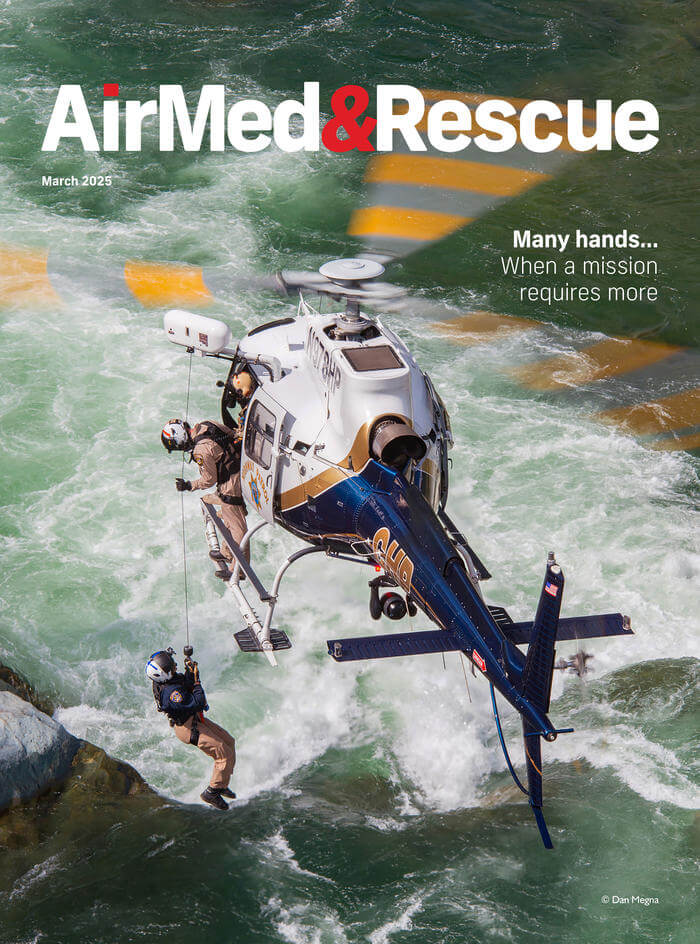
Our March edition has features that let you discover the level of training provided by simulators; learn the ins and outs of medical interiors in aircraft; find out about how health and usage monitoring systems are changing special missions; and see how aerial firefighters communicate and coordinate their missions across multiple agencies and stakeholders; plus more of our regular content.