
Gallery: US Marines training to fight wildfires

Lance Corporal Mhecaela J Watts recorded the performance of the US Marines earlier this year during a multi-agency firefighting exercise in California
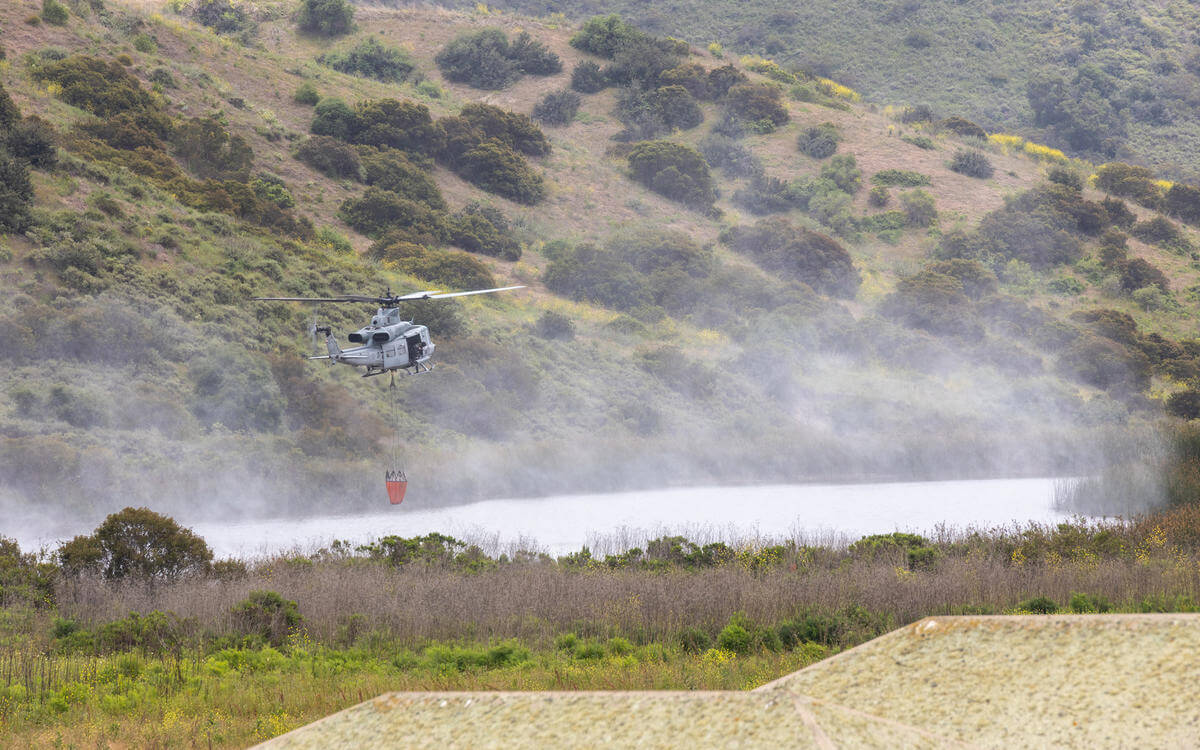
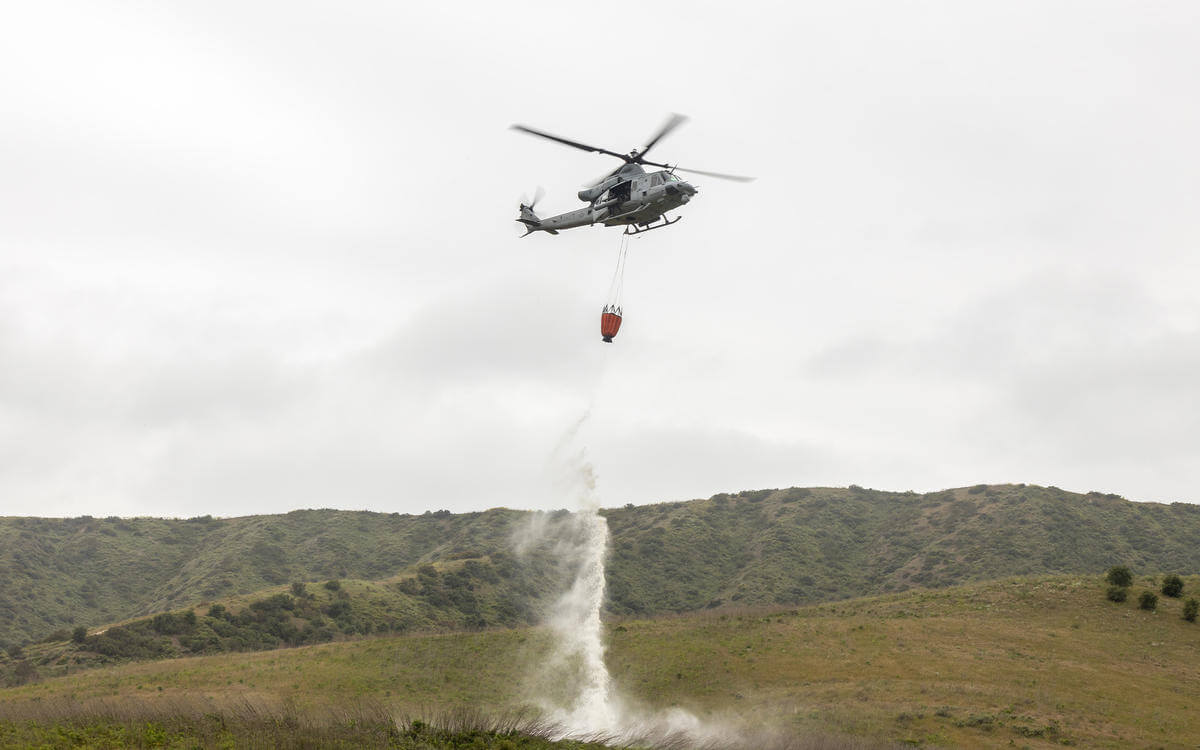
Based out of Camp Pendleton, California, the US Marine Light Attack Helicopter Squadron 169, Marine Aircraft Group 39, 3rd Marine Aircraft Wing attended the annual Cory Iverson Wildland Firefighting Exercise at Las Pulgas Lake with its Bell UH-1Y Venom aircraft.
The UH-1Y is a substantial upgrade to its previous incarnation, the UH-1N, with a glass cockpit, forward-looking infrared, increased engine power, four-blade composite rotor system and other features, making this variant safer and faster, and giving it a 50% greater range and an increased payload capacity.
The Cory Iverson Wildland Firefighting Exercise is an annual event focusing on interagency cooperation between the California Department of Forestry and Fire Protection (CAL FIRE), San Diego County Sheriff’s Department, the Camp Pendleton Fire Department, and the US Department of Defense (DoD). The purpose of the training event is to ensure that each organization is able to work together to respond to wildfires in a cooperative and coordinated manner. This is important as mutual interagency assistance is often relied upon during periods of severe wildfire outbreaks, and the squadron is often tasked to work closely with local, state and federal partners to protect Marine Corps Installations West (MCI West) installations and local communities throughout the year.
As well as the UH-1Y Venom utility helicopters pictured and involved in this exercise, Light Attack Helicopter Squadron 169 also use and deploy AH-1Z Viper attack helicopters.
Shown are US Marine Corps UH-1Y Venoms flying to a target area and using Bambi Buckets to drop water on the simulated wildfire. The ‘Super Huey’ by Bell has a full glass cockpit and forward-looking infrared cameras that aid in the identification of hotspots, day and night, ensuring an accurate acquisition of the targets.
The appearance of DoD visual information does not imply or constitute DoD endorsement.



October 2024
Issue
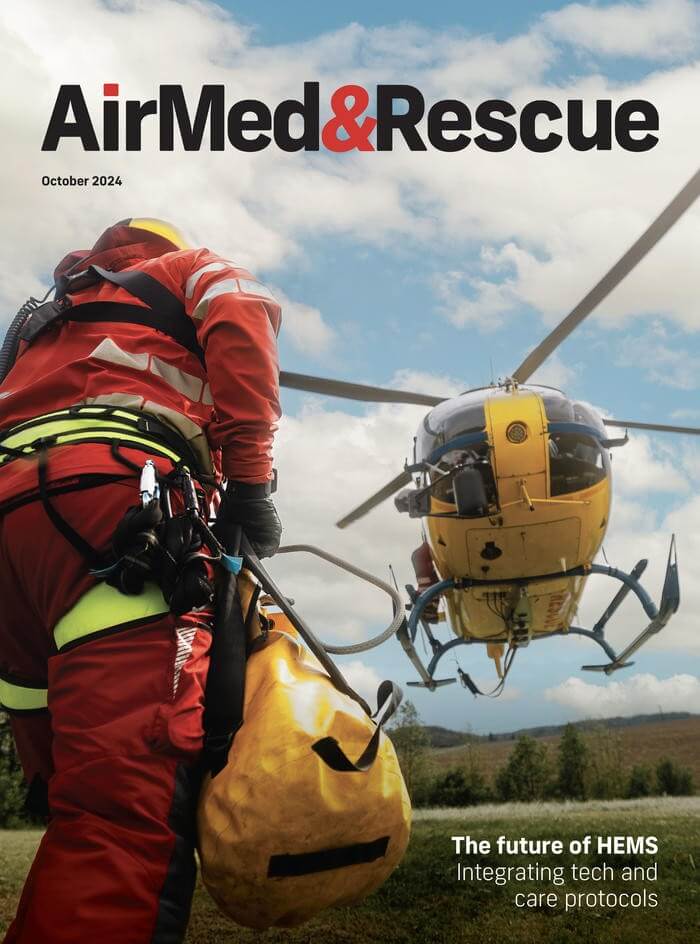
In the October edition, see how the training for special missions is achieved; discover the latest developments in emergency medical services; find out about the considerations needed for transporting neonatal and pediatric patients; review the effects of the northern hemisphere’s recent wildfire season; and learn about the importance of egress training; plus more of our regular content.