
Modernizing without disruption: a practical path away from fragmented air medical systems

Krister Genmark of Vellox Group explains how a phased approach to modernizing air medical systems can connect workflows without disrupting operations.
Introducing new software does not pause an air medical operation. Patient transfers continue, crews move between shifts and bases, and aircraft availability can change while teams adapt to new processes.
A phased approach can make that change more manageable, but introducing technology gradually brings its own challenges. Staff need to know which information to trust, how responsibilities have changed, and what to do when the new process does not work as expected.
Start with a specific problem
Choose a problem operational teams can describe clearly. Perhaps crews repeatedly enter flight times already captured by tracking, or a shift handover involves checking several sources to establish an aircraft’s status. A defined problem gives the project a purpose people can recognise.
The first change should also fit a plan. Connecting tracking with flight records, for example, may be a starting point without replacing tools that already work well. Agree where information will originate, where it will be reviewed and how it will remain accessible.
In our conversations with air medical operators, we see modernization happen this way: teams start with a specific operational problem, then connect adjacent workflows as confidence grows.
Keep the service running
Before rollout, test the workflow with the people who will use it on shift. Include situations that complicate normal activity: a crew working at another base, a flight record needing correction, or an aircraft becoming unavailable during handover. These checks show whether the process works when circumstances change, not just during a demonstration.
Training should give staff time to practice those situations and know where to get help. Even a sound system can falter if preparation is inconsistent or responsibilities differ between shifts.
Temporary parallel working may help teams check a new process, but it needs clear boundaries. If staff must consult the new platform, the old system and a spreadsheet to feel confident, the change has added work. Agree on which record is authoritative, how discrepancies are resolved, and when the previous process can be retired. A fallback should not become a second permanent workflow.
Let experience guide the next step
A limited rollout lets operators learn before expanding. Ask practical questions: can the incoming shift understand an aircraft’s status without repeated calls? Can crews complete records accurately between tasks? Does the process still work when another team covers the base? Each stage should be assessed before the rollout expands to other crews, bases and aircraft.
Technology providers should remain involved through configuration, training, and support. For Vellox, that means giving operators the flexibility to start with the capabilities they need most, while providing a path to connect dispatch, operations, safety, fleet, and maintenance as their needs evolve. The starting point may differ, but the goal is a more coherent operational environment rather than isolated systems.
When staff return to familiar workarounds, investigate what is missing rather than assuming resistance. Their experience should inform the next stage alongside checks on accuracy and reliability.
A fallback should not become a second permanent workflow
Modernization should leave teams with fewer uncertainties about the next mission, not simply fewer systems on a procurement list. Progress is meaningful when a change works reliably across shifts and locations, and the people using it are ready for what follows.
Krister Genmark
Krister is a purpose-driven commercial leader and Senior Vice President of Revenue at Vellox Group, with a global track record across sales, partnerships, and customer success. Known for leading from the inside out, he brings authenticity, clarity, and energy to building high-performing teams and driving strategic, mission-focused growth.
October 2026
Issue
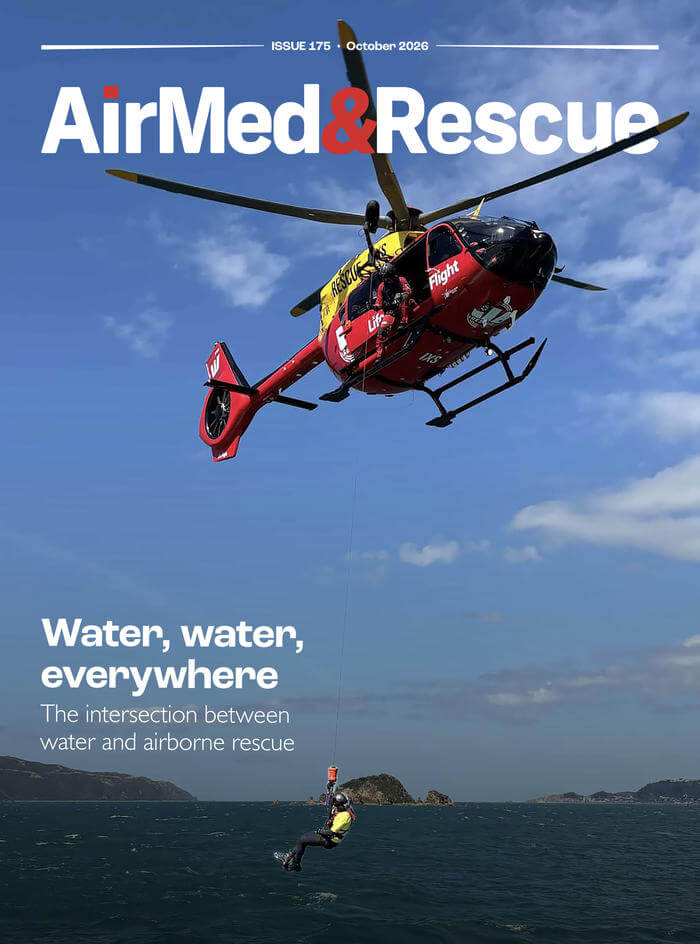
The latest edition of AirMed&Rescue is packed full of content to keep you occupied in October. We have features on the challenges that swiftwater presents when trying to rescue someone; how sensor technology is affecting and improving aerial firefighting missions; why operators choose to have a varied fleet of aircraft to perform special missions; and what can be done to improve the accessibility and awareness of mental health assistance programs for safer and sustainable working conditions.
Editorial Team
The AirMed&Rescue Editorial Team works on the website to ensure timely and relevant news is online every day. With extensive experience and in-depth knowledge of the air medical and air rescue industries, the team is ready to respond to breaking industry news and investigate topics of interest to our readers.