

Industry voice: Beyond the call: managing the long-term mental health of first responders

For first responders, the impact of trauma on mental health extends beyond the acute to the insidious threat of repeated exposure to traumatic events. Rescue organizations must be proactive in managing this threat, argues Trevor Abraham, Operations Director at Air Rescue UK
On 12 April 2007, I was part of the rescue team dispatched to the capsized Bourbon Dolphin west of the Shetland Islands. The sea was high at around 7m and the wind blew at around 35kts; the scene was chaotic. As we circled the wreckage, we saw debris – oil drums, personal belongings, and pieces of vessel furniture scattered across the water. Then, we spotted a body, face down. We hoisted the body, but it slipped from the rescue strops and fell back into the water. The image of a body, unclothed from the waist up and saturated with a mix of fuel and oil, still haunts me. This experience reminds me of the emotional toll search and rescue (SAR) work takes – often in ways that aren’t visible.
Discussions about first responder mental health often focus on acute trauma – the high-impact incidents that leave an immediate psychological mark. But what about the long-term toll from repeated exposure to traumatic events?
For first responders, especially those in SAR operations, trauma is rarely isolated to a single event. Instead, it builds up over time, eroding resilience and making the brain and body vulnerable. Combine this with the relentless nature of the job – long hours, disrupted sleep, and chronic fatigue – and the risks to mental wellbeing are amplified.

Cumulative trauma: the slow burn of exposure
When people think of post-traumatic stress disorder (PTSD) in first responders, they often think about a single catastrophic event – a major crash, a fatal accident, or a life-or-death rescue. While these incidents can have profound effects, the more insidious threat often lies in the accumulation of smaller, repeated exposures to trauma. This is what we call cumulative trauma.
Unlike acute trauma, which can be processed with the right interventions, cumulative trauma builds up gradually and often goes unnoticed. It creeps into a responder’s psyche, manifesting as chronic anxiety, emotional numbing, or burnout. Research shows that first responders who experience prolonged exposure to distressing events are at higher risk of developing depression and PTSD-like symptoms. The danger is that because the damage is incremental, individuals may not recognize the warning signs until it’s too late.
Research shows that first responders who experience prolonged exposure to distressing events are at higher risk of developing depression and PTSD-like symptoms
In SAR operations, this is particularly relevant. Missions bring high-stakes rescues, critical patient care, and exposure to human suffering – sometimes in extreme environments. Over time, these experiences accumulate, creating an emotional burden that becomes harder to bear.

Fatigue: the hidden crisis in first responder mental health
Fatigue in first responders is another significant factor impacting mental health. Unlike physical exhaustion, which can be remedied with rest, chronic fatigue disrupts cognitive function, weakens emotional regulation, and heightens stress responses.
Research shows that sleep deprivation and fatigue have a direct impact on decision-making, reaction times, and situational awareness. In SAR and air medical operations, where split-second decisions can determine mission success or failure, the stakes are even higher.
Chronic fatigue affects the brain’s ability to manage stress, making emotional dysregulation, irritability, and depression more likely. The symptoms of fatigue can even mimic trauma, making it harder for responders to distinguish between fatigue-induced distress and the psychological effects of their work.
Chronic fatigue affects the brain’s ability to manage stress, making emotional dysregulation, irritability, and depression more likely
Organizational responsibility: a shift from reactive to proactive support
Historically, mental health support for first responders has been reactive – offered only after a critical incident or when symptoms become severe. While post-incident counselling is important, it’s not enough to address the cumulative effects of long-term trauma and fatigue.
To create a sustainable approach to mental wellbeing, organizations must shift from one-off interventions to proactive, ongoing support systems:
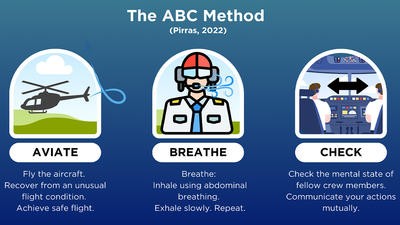
- Structured fatigue management
Implementing fatigue risk management systems, similar to those in aviation, ensures operational safety and mental wellbeing. Adequate rest between shifts and mandatory downtime after intense operations are essential to avoid cognitive decline. Technology, like fatigue monitoring tools, can help assess cognitive function, ensuring responders are alert during critical missions
- Building a culture of psychological safety
Creating open conversations about mental health without stigma is vital. Leaders should be trained to recognize early signs of stress, burnout, and fatigue, enabling timely intervention. Integrating mental health check-ins into routine operational debriefs normalizes discussions around wellbeing and encourages self-care
- Peer support and resilience training
Structured peer support programs allow responders to debrief with colleagues who understand the job’s unique pressures. Resilience training equips responders with coping strategies before stress becomes overwhelming. Incorporating mindfulness, stress management, and mental resilience techniques into regular training builds long-term mental strength and reduces burnout.
These models, successfully implemented in military and elite aviation environments, can be adapted for SAR and air medical teams to improve long-term mental health outcomes.
A sustainable future for first responders
First responders operate in high-pressure environments where stress, trauma, and fatigue are constant companions. While mental resilience is a core strength of these professionals, resilience alone isn’t enough. Without proper support, even the most dedicated responders will eventually feel the weight of cumulative exposure.
The responsibility to address these challenges doesn’t lie solely with the responders themselves. Organizations must take an active role in integrating mental health and fatigue management into their operational culture – not as an afterthought, but as a crucial aspect of safety and performance.
Organizations must take an active role in integrating mental health and fatigue management into their operational culture
If the emergency response community values its people, we must prioritize long-term mental health solutions and move away from crisis-driven, post-incident support. After all, the physical and mental wellbeing of responders is directly linked to the safety and effectiveness of every mission we undertake.
June 2025
Issue
Our June edition covers a range of articles with a wealth of experiential information in the features, such as search and rescue as a career route, the latest night vision technology, the increasing popularity of drones for firefighting, the importance of helmets in special missions, why diversity matters in aviation, and why switching to special missions as a job is more fulfilling; plus we have more of our regular content.
Trevor Abraham
Trevor is the Operations Director for Air Rescue UK. With extensive experience in SAR, operational management, and training, he has worked across diverse environments, including the Falkland Islands, Namibia, and Kazakhstan. Passionate about improving first-responder wellbeing, Trevor advocates for proactive mental health strategies and fatigue management in high-risk professions. His work focuses on ensuring operational effectiveness while prioritizing the long-term resilience of SAR personnel.