
Elevated expectations

Leasing helicopters is a savvy financial move, lifting the burden and cost of building a fleet. Wet and dry leasing not only provide increased service options but also offer significant cost-saving benefits, explains Jennifer Ferrero
Helicopters, with their unparalleled versatility, are among the most dynamic aircraft in the world. Whether it’s aerial firefighting, paramedic missions, or oil and gas contracts, the success of a mission often hinges on the helicopter’s ability to offer a variety of seating and add-on options. Helicopters are not just aircraft; they are mission-ready partners, always prepared to respond to any situation.
While helicopters are versatile, they are also expensive. A new twin-engine civil utility helicopter can cost up to US$40 million. The upfront capital expense is one of the reasons why many organizations consider leasing helicopters for their missions. Leasing options are broad, and industry operators tend to utilize financial, operating, and wet lease options. One thing is certain: wet leasing a helicopter is more like leasing a car, in that you are not responsible for the long-term care of the vehicle, including wear and tear. This can be a significant advantage, especially as your needs change when adding to your fleet, allowing operators to trade in existing helicopters for a more suitable lease.
Generally speaking, a wet lease involves the lease of a helicopter, along with crew, maintenance and insurance, whereas a dry lease is just the helicopter itself. For both wet and dry leases, there are national and international aviation regulations and insurance regulations that vary depending on the location, and operators are required to file specific paperwork. There can also be specialized contracts in leasing that include mission-based modifications such as equipment for aerial firefighting buckets, or hoists and litters for search and rescue (SAR). A wet lease, however, could consist of much more, including a full crew with pilots and technicians, as well as equipment and insurance.
GD Helicopter Finance (GDHF) is a key player in the helicopter finance and leasing industry, based in Dublin, Ireland. Since inception in April 2024, the company has been gaining momentum by consistently delivering on its commitment to providing the newest technology, efficient, cost-effective, multi-mission helicopters for lease to customers globally. Led by CEO Michael York, its team of 15 people is dedicated to ensuring fast, agile, flexible service to customers. GDHF has large order books with original equipment manufacturers (OEMs) and has specialized in factory-new medium (Airbus H160) and super-medium (Leonardo AW189 and Airbus H175) helicopters. GDHF also has several used heavy (Airbus AS332 L2 and H225) multi-mission helicopters available.
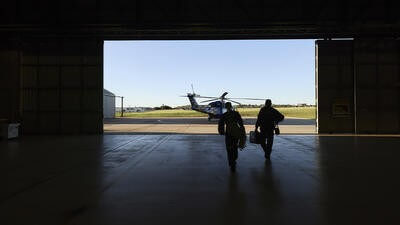
One of GDHF’s growing list of customers is Omni Helicopters International (OHI), which offers helicopter services to its customers, primarily in the oil and gas industry. Roberto Farnese, Executive Vice President, Fleet at OHI, has a long career in the air mobility industry, working for both OEMs, like Leonardo Helicopters and Bell, and lessors like Milestone. OHI is headquartered in Lisbon, Portugal, and operates in Brazil, Guyana, Suriname, and Mozambique. Farnese said that one of the advantages of leasing was cash management and “not having to cope with residual value risk”. He said they provided their customers with wet leases that include helicopters, pilots, and maintenance. These inclusions make it easy for their customers to accomplish their missions – whether it is transporting people to an ocean-based oil rig or delivering parts for construction work. They also provide SAR personnel and equipment to oil and gas customers. He explained that OHI offers a full-service wet lease with all assets provided.
One of the advantages of leasing was cash management and not having to cope with residual value risk
Residual value risk
Farnese added: “The main difference is the residual value risk. If you purchase it, you have to operate it and put your capital at work wisely. Once you have finished operating the aircraft, you must sell it at a value that protects your investment. With residual value risk, it is up to us to find a buyer, sell or finance the aircraft, and obtain the price you set. The risk is significant and is subject to the aircraft’s life cycle and market conditions. The residual value could be lower, and you will incur a loss; the residual value risk goes to the lessor, and you must return it in a specific way, in the way it was agreed.” He said that that provided the opportunity for the operator to lease another aircraft.
Black Wolf Helicopters of Guatemala, operated by Chris Sharpe, leases helicopters according to customer needs. He offers wet leasing to his customers for film, tourism, reconnaissance, and SAR. The wet leasing is per hour, which includes the flight time and pilot, the crew, insurance, fuel, logistical support, landing fees, and permissions (for landing at a hotel, permits, etc.) – all extraneous fees are built into the hourly costs. “In Central and South America, dry lease is not an option because you can’t control the end user,” he said, in reference to aircraft theft and the illegal use of helicopters in the region.
Currently, OHI has 88 helicopters in its fleet, and “we are growing extremely fast”, Farnese said. OHI provides services using helicopters that span from light twins to heavy helicopters to its customers, and Farnese said they were also invested in urban air mobility, electric vertical takeoff and landing (eVTOL) aircraft, and uncrewed aerial vehicles (UAV) playing a key role in what is called the “low-altitude-economy”.
GDHF leases helicopters to companies involved in:
- Offshore oil and gas
- SAR
- Emergency medical services (EMS)
- Government and corporate missions
- Wind farm support
- Parapublic roles.
York said that GDHF could offer operating leases (dry leases) and finance leases to its customers. He said this was a good fit for operators with their own crew and infrastructure. However, he noted that turnkey solutions were also available to those building their businesses and expanding their services. GDHF serves many operators and advises on helicopter lease solutions. York said it comes down to “capital and cash flow, customer preference, operational capabilities, mission requirements, contract duration, geographic location, and the regulatory environment.” Ultimately, they strive to understand the customers’ needs and provide the best recommendations.
It comes down to capital and cash flow, customer preference, operational capabilities, mission requirements, contract duration, geographic location, and the regulatory environment
Regarding regulations surrounding wet and dry leases, both the Federal Aviation Administration (FAA) and European Union Aviation Safety Agency (EASA) offer guidance to the industry. The FAA says it is essential to understand how to remain compliant and follow laws and regulations regarding dry leases, so that “individual and business users can optimize the ownership and operations of their aircraft under the FAA’s non-commercial rules … properly certificated air charter operators are protected from unfair competition arising from illegal leasing operations that have not met those stringent requirements … [and] the flying public is appropriately protected in the safe use of those aircraft.”
Regarding wet leases, the FAA advises (per an Advisory Circular from 2016): “Wet leasing aircraft is a common and approved practice, carried out by hundreds of legitimate organizations; unfortunately, there are some irresponsible companies which may use various ways to confuse the issue concerning who is the actual aircraft operator.” Dry leases can be sold as wet leases, which clouds the issue of responsibilities in the lessor–lessee relationship.
Regardless, using a wet or dry lease becomes a matter of logistics. The FAA, in the Advisory Circular, asks questions to help assimilate “operational control”:
- Who makes the decision to assign crewmembers and aircraft; accept flight requests; and initiate, conduct, and terminate flights?
- For whom do the pilots work as direct employees or agents?
- Who is maintaining the aircraft and where is it maintained?
- Prior to departure, who ensures the flight, aircraft, and crew comply with regulations?
- Who decides when/where maintenance is accomplished, and who directly pays for the maintenance?
- Who determines weather/fuel requirements, and who directly pays for the fuel?
- Who directly pays for the airport fees, parking/hangar costs, food service, and/or rental cars?
For EASA, rules governing wet and dry leasing apply to the 27 European Union member states. The rules are defined under an operator’s air operator certificate (AOC).
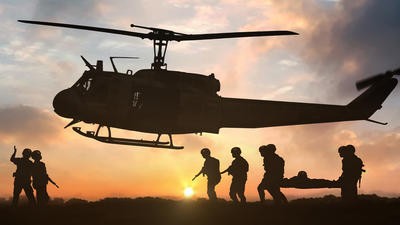
Geography is a factor in how leasing is structured, according to York. “Geography affects aircraft range and configuration, regulatory compliance, cost structures, [and] maintenance logistics. GDHF is a global business; we have delivered aircraft to a range of customers in regions such as India, South America, and North Asia.”
Geography affects aircraft range and configuration, regulatory compliance, cost structures, and maintenance logistics
Thus, companies such as GDHF will need to comply with country-wide regulations on leasing. OHI complies with rules in the following way: “We comply with the local aviation administration in the countries, and how the local one operates. Some are FAA-linked and use a baseline for approvals with local regulations.” Farnese said they don’t operate in the USA at this time.
Types of leasing options vary.
Operating lease – flexible leasing solutions give operators availability and choice of technology, certainty of costs, and the flexibility to operate helicopters without the burden, capital outlay, and risks of ownership.
Finance lease – the operator owns the aircraft at the end of the lease. Often used to finance new acquisitions or unlock capital from existing owned assets.
Fleet renewal solutions – tailored strategies to replace aging helicopters with newer, more efficient models. Enhances performance, reduces maintenance costs, and supports sustainability goals.
Purchase and lease back – the lessor buys the operator’s helicopter off them and leases it back to them, freeing up capital while the customer retains use of the helicopter and operational control.
Restructuring – custom financial solutions to reset customer payments and obligations, reduce costs, and navigate challenging market conditions.
Finance OEM helicopter orders – lessors provide financing for new helicopter purchases directly from manufacturers. Structured to align with customer delivery schedules and cash-flow needs.
York said: “Longer leases typically offer better pricing and are preferred for factory-new aircraft.”
The leasing strategy depends on the customer, and finding the right fit is key. Farnese said: “That’s why jobs like ours are still needed; there is no secret sauce, and every deal is different.”
He explained how leasing allows for more adaptability if you are unsure of longer-term goals or targets, but at a price: “A short lease is more expensive; it costs resources and money, [and] sometimes you don’t have line of sight for future contracts [but] you still have to pay the lease; you have to adjust.”
OHI also can perform a “specialized fit” for helicopters taken from lessors (pre-owned aircraft). Farnese said new helicopters from the OEM already include specifications for their lessor. For example, if the helicopter needs to be oil and gas compliant (IOGP), it is set up with a special fit for the mission. Modifications may include tail cameras, Traffic Alert and Collision Avoidance System (TCAS) II, GPS devices, floats and rafts, as well as other safety equipment, which can be financed by lessors. Regarding helicopter safety, Farnese said: “There are many ways to improve safety, and our industry should learn from mistakes as a whole.”
From a successful solution standpoint, York shared that GDHF worked on a lease with OHI of AW189 helicopters in Brazil. “The aircraft met offshore transport needs with high efficiency and reliability,” he said. “GDHF’s strategic partnership with Omni (OHI) was strengthened by GDHF’s ability to deliver these factory-new aircraft quickly in the customer’s desired configuration."
In conclusion, the combination of wet and dry leasing of helicopters can reduce the burden on operators. There are various options between wet and dry leasing, and special accommodation can be made for specific industries, as well as to alleviate financial burdens for operators that are struggling with the right mix in their helicopter fleet.
January 2026
Issue
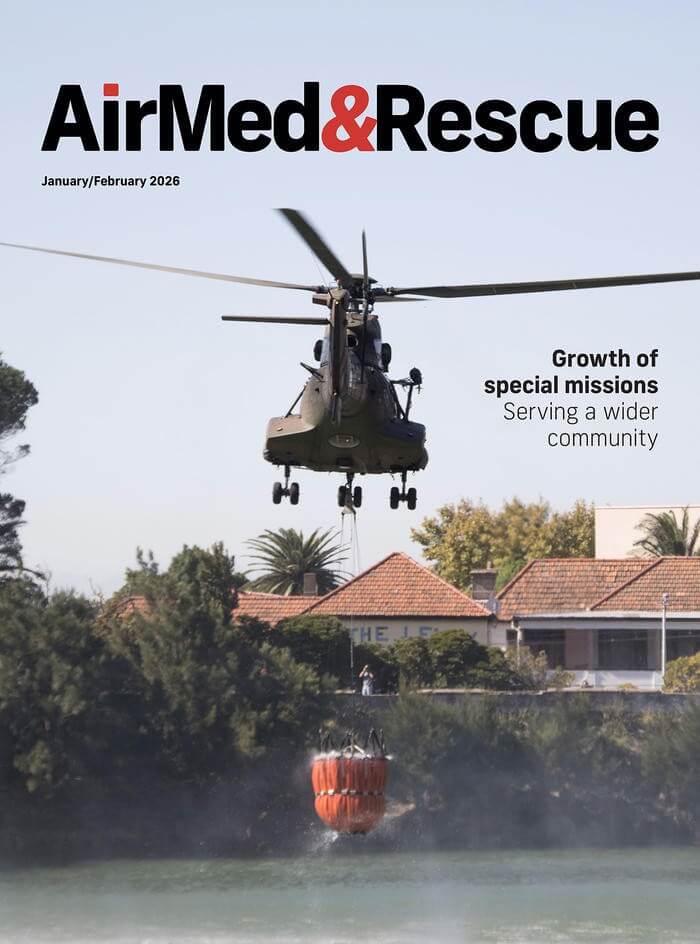
A new year and a new edition, and with it comes articles relating to special missions from all across the globe. We have features that look into the special missions in the Middle East and Africa; the benefits and differences associated with leasing helicopters; and the way that aerial firefighting is conducted at night.
Jennifer Ferrero
Jennifer Ferrero owns Ferrero Agency. She focuses her writing on feature stories for aerospace and manufacturing trade publications. She also provides marketing and public relations services. She has been an entrepreneur and writer for over 25 years. She lives in Spokane, Washington.