
Interview: Determined to make a difference

John Katakouzinos, Aviation Manager of Australia’s Country Fire Authority (CFA), reflects on the highlights of his long career in aerial firefighting, including being awarded the Australian Fire Service Medal
Can you tell us more about what the CFA does?
The CFA is Victoria’s volunteer fire service supported by paid staff, operating across the state to reduce the occurrence and impacts of fire and other emergencies. As one of the largest volunteer-based emergency services organizations in the world, the CFA plays a vital role in protecting the lives and property of Victorians. The CFA’s primary responsibility is to respond to a wide range of emergencies, including structural fires, bushfires, road accidents, and natural disasters.
With over 1,200 fire stations and more than 50,000 volunteer firefighters, the CFA is able to provide a rapid and effective response to these incidents. The CFA also plays a crucial role in fire prevention and community education.
What is your role in the organization, what does it involve on a daily basis, and what happens when the fire season ramps up?
As the Aviation Manager for the CFA, my daily responsibilities involve overseeing all aspects of aviation operations, working closely with partner agencies. This includes conducting training for both airborne and ground-based members, ensuring all aircraft response mapping is up to date, performing safety audits, and managing our fleet of RPAS (drones). During the off-season, my role primarily involves planning and preparing for any potential emergencies.
What’s your background in the aerial firefighting sector?
I have been involved in aerial firefighting since 1997. First trained as an Air Observer then an Air Attack Supervisor and trainer, I have also been a ground firefighter since 1991 and a qualified helicopter pilot.
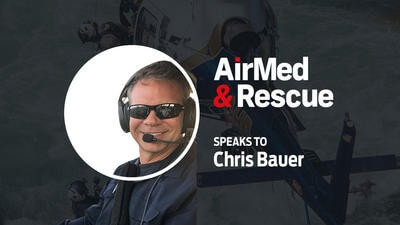
You led the research, design and delivery of a new fire aviation flight simulator; could you tell us more about the project?
The journey began with my visit to several aerial firefighting agencies in California in March 2020, just before the world was turned upside down by the Covid-19 outbreak. Witnessing the challenges faced by these brave men and women firsthand, I knew that I had to find a better way to prepare them for the high-stakes, high-pressure situations they would encounter in the field. Returning to Australia, I set up in my garage and began designing and building a trailer-based fire aviation flight simulator. Driven by innovation and a deep commitment to safety, I was determined to create a tool that would not only enhance the training experience but also ensure the wellbeing of our aerial firefighters. The simulator took shape, incorporating the latest technology and cutting-edge features that would immerse trainees in a realistic environment.
I knew that I had to find a better way to prepare them for the high-stakes, high-pressure situations they would encounter in the field
Finally, in 2021, the simulator was completed and ready for use. It was a proud moment as I watched our air attack supervisors step into the simulator, their faces alight with excitement and anticipation. The simulator proved to be an invaluable tool, allowing them to hone their skills, practice emergency procedures, and gain a deeper understanding of the challenges they would face in the field. The simulator provided a safe and accessible training platform; we were able to ensure that our aerial firefighters were better prepared to face the ever-evolving threats of wildfires. As I reflect on this journey, I am filled with a sense of accomplishment and gratitude.
What are your hopes for the future of investment in simulation training in aerial firefighting?
As the climate continues to change, the frequency and intensity of wildfires have escalated, putting immense pressure on firefighting teams to respond with precision and efficiency. Recognizing the critical role of simulation training in enhancing the skills and preparedness of aerial firefighters, governments and private organizations have begun to pour significant resources into this innovative approach.
The goal is to create a future where firefighters can hone their skills in a safe, controlled environment, replicating the challenges they will face in the field. Imagine a world where firefighters can practice complex maneuvers, such as emergency procedures, maneuvering around obstacles, and coordinating with ground crews, all without the risks associated with live training. As we look towards the future, the hope is that this investment will continue to grow, ultimately leading to a safer and more resilient world in the face of the ever-evolving challenges posed by wildfires and other emergencies.

Being a mentor for the firefighters of the future is an incredibly valuable role. How does the CFA support efforts to encourage professional development in firefighting, specifically with regard to aerial firefighting?
The CFA has long been committed to fostering the professional development of its firefighters, particularly in the realm of aerial firefighting. One of the key ways the CFA supports the professional development of its firefighters is through comprehensive training programs using fire aviation flight simulation.
The CFA also recognizes the importance of continuous learning and innovation. As a mentor, you are encouraged to stay up to date with the latest advancements in firefighting technology and strategies, and to share this knowledge with your mentees.
Through comprehensive training programs, a focus on continuous learning, and a strong emphasis on teamwork and camaraderie, the CFA is ensuring that the next generation of firefighters is well equipped to face the challenges of the future.
Through comprehensive training programs, a focus on continuous learning, and a strong emphasis on teamwork and camaraderie, the CFA is ensuring that the next generation of firefighters is well equipped to face the challenges of the future
You recently received the Australian Fire Service Medal; how did that feel?
Receiving the Australian Fire Service Medal was a humbling and surreal experience. As I stood on the stage, surrounded by family and my colleagues, I felt a profound sense of pride and gratitude. The journey that led me to this moment had been filled with challenges, but also with the unwavering determination to make a difference. As I accepted the medal, I couldn’t help but think of the countless individuals who had played a part in my successes. In the days and weeks that followed, I was overwhelmed by the outpouring of support and congratulations from across the country. People from all walks of life reached out to express their gratitude and to share their own stories of how this work had impacted them. It was a humbling reminder that the work we do, though often challenging, has the power to touch the lives of so many.
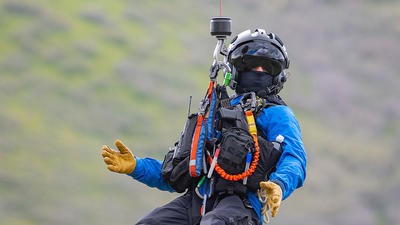
The challenge of climate change increasing the length and intensity of fire seasons is undeniable, but also unpredictable year on year. How does the CFA prepare for each fire season in terms of readiness to share resources – including aircraft – with other states?
The CFA’s readiness strategy centers on the efficient sharing of resources, including aircraft, with other agencies and states.
This collaborative approach is crucial in ensuring a coordinated and effective response to the growing threat of wildfires. Throughout the year, the CFA works tirelessly to assess the potential risks and develop comprehensive plans. They analyze weather patterns, fuel loads, and historical data to anticipate the severity of the upcoming fire season.
This collaborative approach is crucial in ensuring a coordinated and effective response to the growing threat of wildfires
Aerial resources play a vital role in fire suppression, providing a bird’s-eye view of the situation and the ability to deliver water and retardants directly to the flames. The CFA collaborate with other states to ensure that these critical assets are available when and where they are needed most. As the fire season approaches, the CFA conducted extensive training exercises, testing their response protocols and ensuring that their personnel were ready to face the challenges ahead.
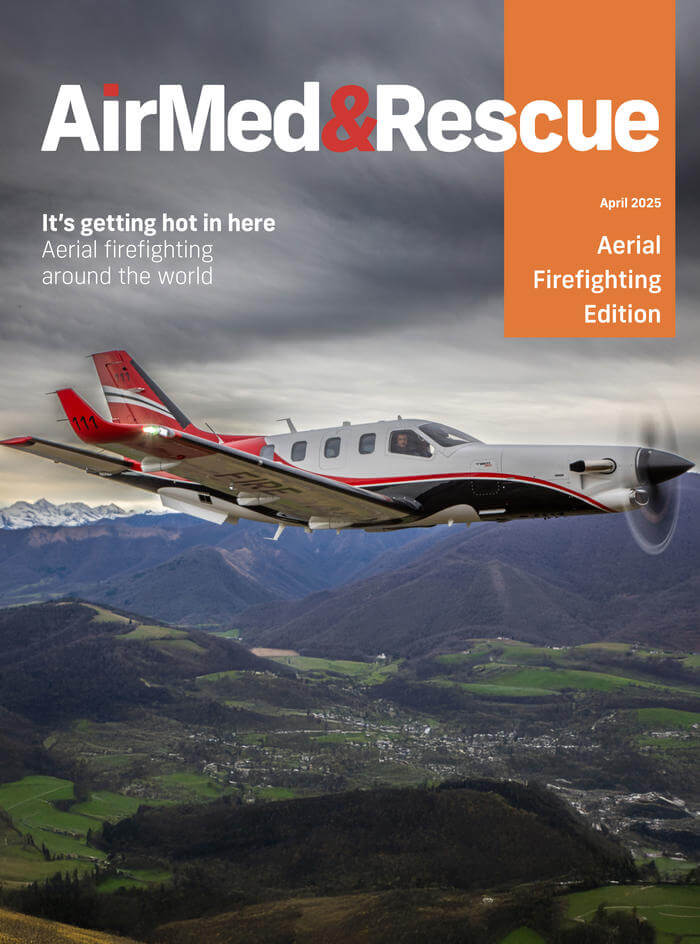
April 2025
Issue
Our April edition has a special focus on aerial firefighting, with features that include rescues during wildfire situations; the coordination process and tools used between aircraft and firefighters; the distinct job of the smokejumper; the different use cases for buckets and tanks, and what needs to be considered for your airframe; the continued appeal of the Firehawk platform; and the importance of proper expertise when treating traumatic brain injuries; plus more of our regular content.
Mandy Langfield
Mandy Langfield is a Director of Palladium Media Partners and former Publishing Director at Voyageur Group. She has written extensively on international travel and health insurance, medical assistance provision, and air medical transportation. She was Editor of AirMed&Rescue from December 2017 until April 2021. Her favourite helicopter is the Chinook, having grown up near an RAF training ground.